
312-981-0409
33 N Dearborn St 10th Floor, Chicago, IL 60602

 Spanish
 Cantonese
Serving Clients Across 8 Illinois Locations

Recent Blog Posts
E. Coli 0157: How Does It Impact the Human Body?
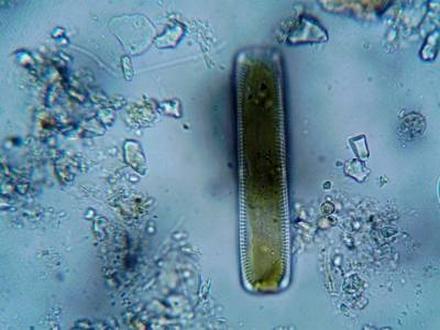
Also known as VTEC, Escherichia Coli 0157 is a bacterial infection that can cause gastroenteritis. E. coli 0157 is a bacteria usually found inside the human intestine and the feces and gut of animals, especially cattle. While there are many species of Escherichia Coli infection, 0157:H7 is the most dangerous one as it leads to symptoms like vomiting, abdominal cramps, diarrhea, and acute kidney failure in severe cases. People at a higher risk of getting infected with E. coli 0157 include newborns, children, the elderly, pregnant women, and people with a weakened immune system (those suffering from diabetes, cancer, and HIV). Keep reading the article to learn more about the E. coli 0157 infection.
How Does the E. Coli 0157 Infection Spread?
Abbreviated as STEC, the Shiga-toxin-producing Escherichia Coli was first identified in 1982 as a trigger of bloody diarrhea caused by eating raw hamburger meat and undercooked food. Since then, E. coli 0157 outbreaks have been associated with consuming contaminated food and drinks such as apple cider, unpasteurized milk or cheese, sprouts, lettuce, spinach, and salami.
Understanding FDA and FALCPA Food Allergen Labeling Laws

Living with a food allergy is a nightmare, especially if you have many. The threat of suffering from a food allergic reaction can make buying a grab-and-go snack, grocery shopping and going on a casual lunch with friends tricky, if not frustrating and confusing. You will always need to stay vigilant, read all the food labels, and ask for the ingredients of every dish before you make a decision.
Consumers worldwide rely heavily on food labeling to inform them about the nutritional value and ingredients of a product. However, in order to make a wise and calculated decision, you must learn to read and understand the food labels. This article will walk you through everything you need to know about FDA and FALCPA food allergen labeling laws.
What Is the FALCPA Act?
The Food Allergen Labeling and Consumer Protection Act (FALCPA) was enacted on January 01, 2006. The law required all food manufacturers to clearly identify the presence of any of the major eight allergens (eggs, milk, tree nuts, peanuts, soy, wheat, shellfish, and fish) on the label. FALCPA also instructed the packaged food production companies to write the information about the food allergens in easy, understandable, and readable language.
Can You Sue for Food Poisoning? | Everything You Need to Know

Imagine eating a delicious meal at your favorite café or restaurant, only to experience nausea, vomiting, cramping, stomach pain, and diarrhea a few hours later. While most of these symptoms might subside within a few days, food-related illnesses can lead to weakness, fever, tingling, dehydration, and even death. In fact, you will be surprised to know that approximately 48 million people suffer from food poisoning every year. This is about one in every six US citizens.
So, if you or someone you love has been a victim of food poisoning and has left you wondering, “Can you sue for food poisoning?” You have come to the right place. In this article, we teach you everything there is to know about filing a food poisoning lawsuit.
What Is Food Poisoning?
Food poisoning is an illness that is caused by eating contaminated, poorly prepared, raw, or undercooked food. Food poisoning can be extremely dangerous for some people, resulting in hospitalization and even death in severe cases. Caused by viruses, pathogens, and bacteria like Shigella, Campylobacter, E. coli, Listeria, Vibrio, and Salmonella, food poisoning can cause mild to severe symptoms, including muscle weakness, breathing difficulty, abdominal pain, difficulty swallowing, fever, infection, dehydration, vomiting, and diarrhea.
A Complete Guide: Filing a Food Allergy Lawsuit

Did you know that 26 million adults and 5.6 million children in the United States have food allergies? Every year, hundreds of individuals suffer from food allergic reactions, including life-threatening anaphylactic shock due to ingesting ingredients that might harm their health. According to the FDA, the nine common food allergens include eggs, fish, peanuts, tree nuts, crustacean shellfish, wheat, soybeans, milk, and sesame seeds.
So, if you recently went to a restaurant and they failed to provide you with adequate attention and care, which resulted in a bad food allergy, you have the right to file a lawsuit against them to ensure that it doesn’t happen again. To help you better understand, we have created a complete guide on filing a food allergy lawsuit. Keep reading to learn how to sue the responsible party for your food allergic reaction.
Peanut Allergy: Can I Sue for a Food Allergic Reaction?

Did you know peanut allergy affects every 1 in 50 children in the United States? In fact, it is the third most common type of food allergy in adults, as only 20% of adults outgrow a peanut allergy over time. Peanut allergy occurs when your immune system overreacts to the proteins in the peanuts and starts producing antibodies to fight off the invader, having an adverse effect on your overall health. If not dealt with in time, the food allergy can lead to anaphylaxis, making it impossible for you to breathe. In this article, we will be teaching you all you need to know about peanut allergy and filing a food allergies lawsuit.
What Is Peanut Allergy | Causes and Symptoms
Food allergies, such as peanut allergies, are genetic, meaning you can get them in your bloodline. However, infants with an egg allergy or eczema are at a higher risk of developing a peanut allergy. A food allergic reaction occurs when the immune system mistakenly identifies peanuts as a threat. People with peanut allergy usually experience mild to severe symptoms within 2 hours of eating something with peanuts. Common peanut allergy symptoms include:
Norovirus: The Winter Vomiting Bug

Did you know that Norovirus is the primary cause of gastroenteritis in more than 20 million people in the United States? Otherwise known as the winter vomiting bug, the Norovirus is also responsible for 570 to 800 deaths and 56,000 to 71,000 hospitalizations every year.
Affecting people of all ages, Norovirus is a contagious virus that can cause diarrhea, nausea, and vomiting. The Norovirus infection can easily spread through touch, drinks, and food. According to the Centers for Disease Control and Prevention (CDC), approximately 70% of norovirus outbreaks are a result of direct contamination by food handlers suffering from the virus itself. If not treated on time, Norovirus infection can lead to reflux, dyspepsia, constipation, and malnutrition. Here is everything you need to know about the infamous winter vomiting bug, colloquially referred to as Norovirus.
How to Prevent Foodborne Illnesses

Commonly known as food poisoning or food infection, foodborne illness is a result of ingesting contaminated water and food. Until now, the Centers for Disease Control and Prevention (CDC) has identified more than 250 different foodborne illnesses, accounting for 128,000 hospitalizations and 3000 fatalities every year. The majority of foodborne illness outbreaks are caused by biological contaminants like parasites, viruses, and bacteria.
Preventing the occurrence of a foodborne illness is an important part of the food producer or handler’s safety training. The person must religiously follow food safety and hygiene practices to minimize the risk of food poisoning while promoting sustainability. To help you, we have created the ultimate guide on how to prevent foodborne illnesses. Keep reading to minimize the risk of foodborne diseases in your home and/or restaurant.
Hepatitis A: Symptoms, Transmission, Diagnosis, and Treatment
Hepatitis A is a contagious infection that affects the liver and spreads through the consumption of contaminated food and water. Hep A Virus (HAV) can cause swelling and inflammation in the liver, resulting in a build-up of waste products in your tissues and bloodstream.
According to a report, approximately 1.5 million Hepatitis A cases occur worldwide every year, with an increasing annual rate in the United States. HAV is usually found in the blood and stool of infected people and can transmit to others with a simple touch. Keep reading to learn about the symptoms, causes, diagnosis, and treatment for the Hepatitis A virus.
The Causes of Hepatitis A | How Is Hep A Contracted?
Hepatitis A virus can be transmitted between people via the "fecal-oral route." Once the Hep A Virus comes in contact with a new host, it infects the bloodstream and spreads to the liver, causing swelling and inflammation. A person can contract the Hep A Virus in the following cases:
Campylobacter Infection | Causes, Symptoms, and Treatment

Over 1.5 million campylobacter infection cases are reported in the United States every year, making it one of the most common causes of intestinal infection and diarrhea worldwide. While typically only a small number of people are infected with Campylobacter infection at a time, it can also occur as an outbreak, infecting hundreds and thousands of people at once.
Campylobacter is a kind of bacterial infection that can cause typical stomach flu symptoms, including nausea, vomiting, diarrhea, and abdominal cramps. The biggest cause of Campylobacter infection is contaminated food and water. However, the Campylobacter infection is treatable, and you will start feeling better within seven to ten days of getting infected. Other names for the Campylobacter infection are Campylobacteriosis, Campylobacter, and Campylobacter Gastroenteritis. Keep reading the article to learn about the causes, symptoms, diagnosis, and treatment of Campylobacter infection.
10 of the Worst Foodborne Illness Outbreaks in History

A foodborne illness outbreak is when two or more people experience a similar illness after ingesting a common meal or food. According to a report by the CDC, every 1 in 6 Americans is a victim of a foodborne illness annually, accounting for 3000 deaths and 128,000 hospitalizations. You can easily get food poisoning by consuming food with pathogens due to unsafe handling practices, contaminants that stay on food during the production process or as a result of being stored in dirty warehouses. Read on to learn about the worst foodborne illness outbreaks in the history of the United States.
Salmonella Outbreak
Salmonella is a bacteria that kills the cells in your intestinal walls, causing severe food poisoning. The symptoms of Salmonella (abdominal cramp, fever, and diarrhea) appear within 12 hours to 3 days after eating the contaminated food and automatically disappear within 4 to 7 days. Treatment for Salmonella includes electrolytes, antibiotics, fluids, and medications.
-

Foreclosure and Bankruptcy
Visit Website -

Real Estate and Estate Planning
Visit Website -

Personal Injury
Visit Website









Results listed are not a guarantee of future results.

Contact Our Firm
 The use of the Internet or this form for communication with the firm or any individual member of the firm does not establish an attorney-client relationship. Confidential or time-sensitive information should not be sent through this form.
I have read and understand the Disclaimer and Privacy Policy.

