
312-981-0409
33 N Dearborn St 10th Floor, Chicago, IL 60602

 Spanish
 Cantonese
Serving Clients Across 8 Illinois Locations

Recent Blog Posts
Onions Identified as Source of Multi-State Salmonella Outbreak
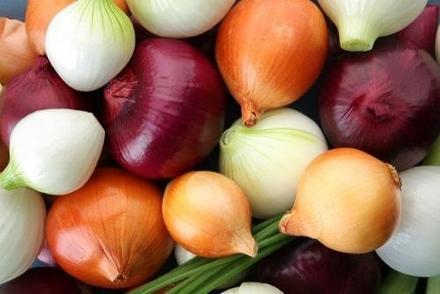 Thomson International, Inc. has issued a voluntary recall of its red, white, yellow, and sweet yellow onions due to a salmonella outbreak that has spread across 34 states. There have been 396 confirmed cases of salmonella, including 10 in Illinois, and 59 reported hospitalizations. The U.S. Food and Drug Administration (FDA) has been investigating the multi-state outbreak of a strain called Salmonella Newport, with illnesses starting as early as June 19. It traced back the illness to red onions sold by Thomson International, who issued the recall on Aug. 1. The FDA has not yet ruled out whether the contaminated onions could be coming from more than one supplier.
Details About the Recall
Though the FDA believes that red onions were the source of the salmonella, the recall includes all varieties of Thomson International’s onions because of the risk of cross-contamination. Thomson International distributes its onions to retailers, restaurants, and wholesalers in all 50 states and has several different labels, including:
Illinois Salad Producer Has Third Food Poisoning Incident in Last Three Years
 The number of people who have been affected by the cyclospora salad outbreak has increased since we last reported it in June. As of July 24, 641 people in 11 states are confirmed to have contracted cyclospora, as well as more than 100 other people in Canada. Illinois has been the state with the most people infected, with 241 reported cases. Dozens of people have been hospitalized but no one has died. The cyclospora outbreak was linked to garden salads produced by Fresh Express in its Streamwood, Illinois, facility. Fresh Express has recalled the packaged salads, which were sold under various names at Jewel-Osco, ALDI, Walmart, Giant Eagle, Hy-Vee, and ShopRite. The fact that this is the third food poisoning outbreak in three years connected to Fresh Express and its Streamwood facility gives an additional reason for concern.
2018 Cyclospora Outbreak
Developing Reactive Arthritis After Food Poisoning
 A case of food poisoning can affect your health long past your initial symptoms. One such lingering malady is reactive arthritis, a form of joint pain that can occur after your body has recovered from a bacterial infection. Reactive arthritis is uncommon – not everyone who contracts the same strain of bacterial infection will develop it – but can be very painful and last for several months, if not longer. If you can trace your reactive arthritis back to your food poisoning case, you may be able to file a lawsuit to receive compensation for your illness.
How Do People Get Reactive Arthritis?
Reactive arthritis is a form of rheumatoid arthritis that gets its name from researchers believing that it is an autoimmune disorder that reacts to a bacterial infection. For some people, their immune system continues to respond to the initial bacterial infection, causing inflammation in their joints. Reactive arthritis can occur after contracting a food-borne illness or a sexually transmitted infection. Food poisoning cases associated with reactive arthritis include:
Cyclospora in Salads Sickens Dozens in Illinois
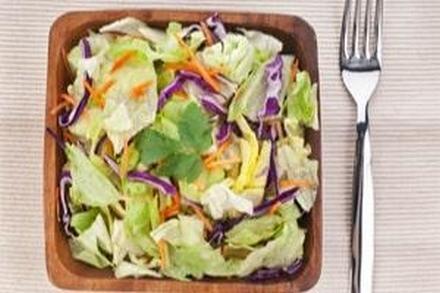 More than 200 people in the midwestern U.S. have been diagnosed with cyclosporiasis after eating packaged salads sold in grocery stores. Illinois is one of the states that has been most affected by the cyclospora outbreak, with at least 57 people having been diagnosed from May 11 to June 17. The contamination has been traced to Fresh Express salad packages that contain iceberg lettuce, red cabbage, and carrots. The product goes by different names depending on where the product is sold, including:
- ALDI Little Salad Bar Garden Salads
- Hy-Vee Garden Salad
- Jewel-Osco Signature Farms Garden Salad
- Walmart Marketside Classic Iceberg Salad
The U.S. Food and Drug Administration is still investigating whether there are additional contaminated Fresh Express salad packages that are sold under other names.
Dangers of Cyclosporiasis
At least 23 of the people recently diagnosed with cyclosporiasis have been hospitalized because of the severity of their symptoms. Cyclosporiasis is an intestinal infection caused by consuming food or drink that contains the cyclospora parasite. Cyclospora is most commonly found in produce that is grown in tropical climates, where the parasite is most prevalent and can spread from the feces of humans and animals who have it.
Nuts Have History of Food Poisoning Outbreaks
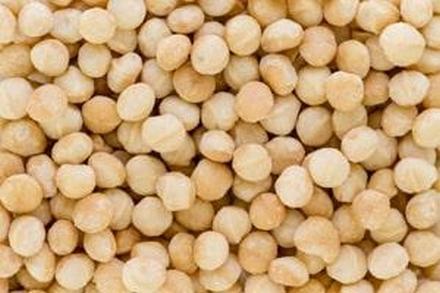 When people mention the health risks associated with eating nuts, allergies may be what first comes to mind. Many parents are aware of how exposure to nut products can endanger children with nut allergies. Food manufacturers and sellers can be liable if a person has an allergic reaction because the product did not disclose that it contained nuts. However, there have also been several instances in the U.S. of food poisoning that is related to nuts being sold in stores. Though they are rarer than allergic reactions, the outbreaks can be harmful to those who consume the contaminated nuts.
Illinois Company Recalls Macadamia Nuts
NOW Health Group Inc. has voluntarily recalled packages of macadamia nuts because of potential salmonella contamination. The Illinois-based company discovered the contamination when testing one of its macadamia nut lots, some of which had already been packaged and sent to retailers. The recall applies to packages that are labeled “NOW Real Food Raw Macadamia Nuts” with a best by date of 01/2021. Symptoms from a salmonella infection can take six hours to six days to appear and usually include diarrhea, cramping, and fever. Severe cases may require hospitalization or antibiotics.
What Are the Different Types of Botulism?
 Botulism is a rare but dangerous bacterial infection that is often caused by food poisoning. Symptoms from botulism start with weakness in the face, which can cause blurred vision, slurred speech, and difficulty breathing and swallowing. Symptoms continue down the body, often causing abdominal pain and vomiting. A mild case of botulism can take weeks to months to recover from, while a severe case could take years. If left untreated, botulism is potentially fatal. One of the tricky aspects of tracking the origin of a botulism case is that there are multiple ways that a person can contract the botulinum toxin. Knowing which type of botulism you have can determine whether you will be successful in filing a food poisoning lawsuit:
- Foodborne Botulism: The most common form of botulism is the type that you get from eating contaminated food. When processed foods are not properly sealed, the botulinum toxin is able to grow to the point that it becomes dangerous for consumption. Botulism is commonly associated with canning fruits and vegetables at home, when people may not tightly seal their preserved foods. However, it is also possible to contract botulism from commercially processed foods.
Three Common Mistakes with Food Safety
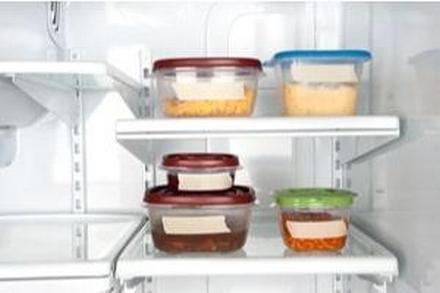 Consumers share some of the responsibility for food safety to prevent themselves from getting sick. Though negligence by food producers can cause contamination, you may create your own food poisoning risk if you do not practice food safety. Consumers are often warned about washing produce, thoroughly cooking foods, and refrigerating items that could spoil. Our understanding of how food becomes contaminated is growing, and there are some consumer habits that seem sensible but actually increase the risk of food poisoning. You should avoid committing these common food safety mistakes:
- Tasting or Smelling Food to Tell If It Is Spoiled: We have all been in a situation where we are unsure whether old food in our refrigerator is still safe to eat. If you do not see signs of mold or discoloration, you may move onto the smell or taste test. There are two problems with this method. Firstly, you cannot always rely on taste or smell to determine whether food is spoiled. It may seem just fine but contain harmful bacteria. Secondly, a small taste of contaminated food may be enough to make you sick. You should always err on the side of caution and throw out food that may be spoiled.
Chipotle Fined $25 Million for Repeated Food Poisoning Outbreaks
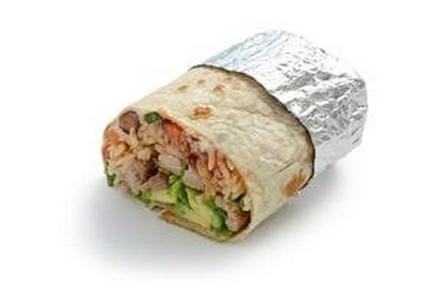 Restaurants are the source of numerous food poisoning incidents each year for which they may or may not be responsible. Sometimes, the restaurant will unknowingly use contaminated food and the food supplier is the liable party. Other times, the restaurant may have caused the incident if it was negligent in safely preparing the food or maintaining a clean kitchen. If a single restaurant or chain of restaurants is involved in multiple food poisoning incidents, health officials may investigate the food safety practices of the restaurants. Officials can even recommend that criminal charges be brought against the restaurant for serving contaminated food.
Chipotle Pays Record Fine
The U.S. Attorney’s Office in the Central District of California fined Chipotle Mexican Grill $25 million for two counts of severing adulterated food in its restaurant. Chipotle agreed to pay the fine – which is the largest ever for a food safety case – and claimed that it has already spent millions more to improve its food safety practices. The U.S. Food and Drug Administration traced at least five food poisoning outbreaks to the restaurant from 2015 to 2018 that are believed to have sickened more than 1,100 people. The cases included multiple norovirus outbreaks in different restaurants across the country. The allegations against the company included:
Mushroom Listeria Case Causes Four Deaths
 There are numerous mushrooms that grow in the wild that are poisonous, and it is difficult to tell the difference between a safe and deadly wild mushroom. Health professionals recommend that consumers only eat mushrooms that they buy in a store or are served in a restaurant. However, it is still possible to get food poisoning from eating store-bought mushrooms. A recent listeria outbreak linked to packaged mushrooms resulted in four deaths and 30 hospitalizations.
Outbreak Details
Sun Hong Foods recalled its packages of enoki mushrooms on March 9 due to potential listeria contamination. Thirty-six people across more than a dozen states had reportedly become ill with listeriosis, and half of the patients said they had recently eaten mushrooms. Tests conducted on enoki mushrooms sold in California found that they were contaminated with listeria. Enoki mushrooms are long and white with small caps and are commonly used in cuisine from Asian countries. Listeria can contaminate fresh-grown produce through soil, water, and animal feces. Once listeria infects a food processing facility, it can spread to other products in the facility.
Jimmy John’s Receives FDA Warning About Contaminated Produce
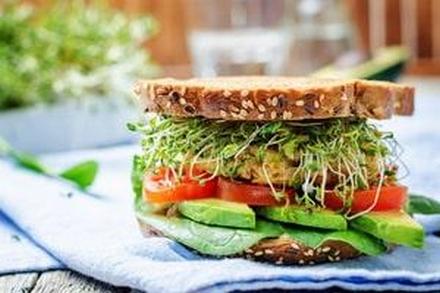 The U.S. Food and Drug Administration (FDA) sent a warning letter to the sandwich restaurant chain Jimmy John’s, claiming that the franchise has repeatedly purchased adulterated produce. The FDA identified sprouts and cucumbers as the adulterated products and cited five outbreaks of E. coli or salmonella linked to the restaurants since 2012. Though Jimmy John’s removed sprouts from its stores as a precautionary measure, the FDA said the franchise needs to take corrective action to prevent such outbreaks from continuing to occur. E. coli and salmonella infections can be potentially fatal to young children, older adults and people with weakened immune systems.
What Is Adulterated Produce?
Adulterating food normally refers to adding or replacing ingredients in a food product that may cause harm to those who consume it. For instance, a food manufacturer may replace a natural ingredient in its product with an artificial one, which causes people to become sick upon eating it. In the Jimmy John’s case, the E. coli and salmonella are not artificial ingredients but poisonous substances that have contaminated the produce. Though the producer did not intentionally add the contaminants, it still meets the legal definition of adulterated because there is enough of the contaminant to cause harm.
-

Foreclosure and Bankruptcy
Visit Website -

Real Estate and Estate Planning
Visit Website -

Personal Injury
Visit Website









Results listed are not a guarantee of future results.

Contact Our Firm
 The use of the Internet or this form for communication with the firm or any individual member of the firm does not establish an attorney-client relationship. Confidential or time-sensitive information should not be sent through this form.
I have read and understand the Disclaimer and Privacy Policy.

